Discussions on women empowerment have slowly but steadily shifted from getting the ropes to getting down to the real essence of the matter. One of the most powerful tools of such realignment is financial literacy. With their ability to manage, make informed, and strategically utilize financial resources, women can break the chains of dependency and create self-sustained, autonomous economic realities. This process of financial empowerment for women- especially those from underprivileged backgrounds- starts with an NGO geared towards women's employment, focused on teaching essential skills and financial literacy.
The Significance of Financial Literacy for Women
Financial literacy is about so much more than learning how to create a budget and save. It encompasses a broader scope that includes knowledge about credit, how to make investments, digital banking, insurance policies, entrepreneurship, your legal financial rights, and much more. For women especially, financial literacy is much more than money management, it is about having choices, self-protection from various forms of oppression, and the assurance to be self-dependent.
In part, the lower participation of women in the workforce, wage disparity, unequal access to assets, and socio-cultural issues contribute to women’s increased risk of economic insecurity. Though women are the primary managers of a household’s daily spending, they are often excluded from the household’s major financial decisions. With financial education, women can paradoxically transform to become more than “expense managers”, and become “asset owners”.
The Importance of Financial Literacy to Achieve Economic Freedom
Being economically free means being able to make decisions that will enhance one’s quality of life. One can do this by choosing a profession, launching a business, investing in ones education, or setting aside money for emergencies. Financial literacy allows women to be able to:
- Start and Sustain Businesses
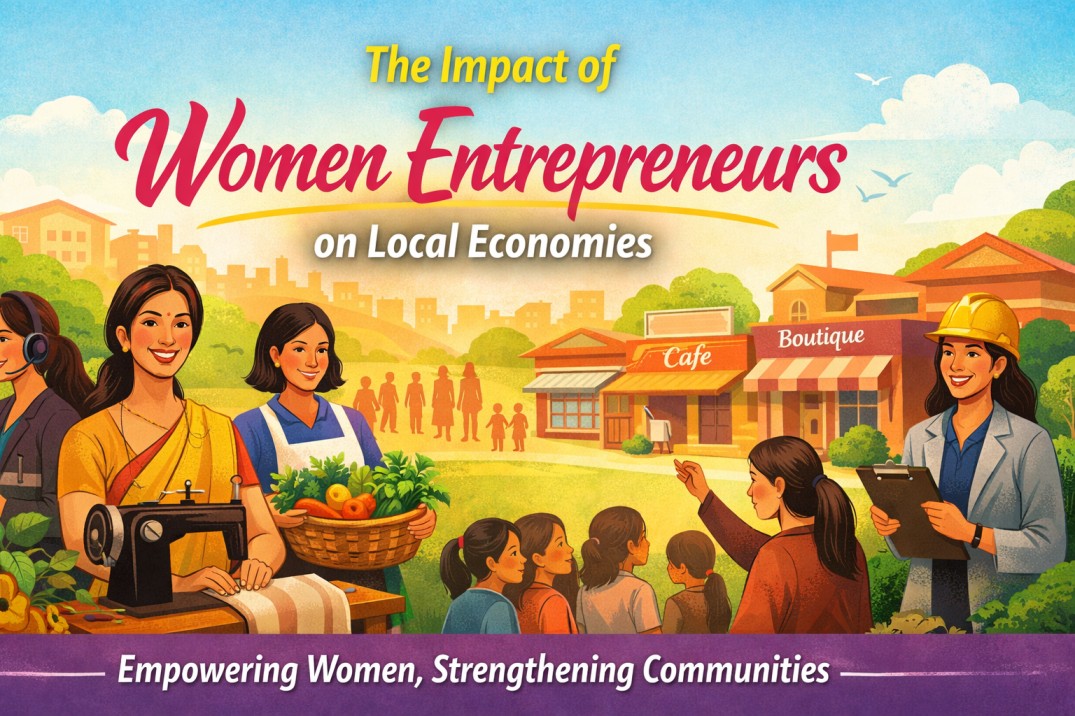
Running a small business is a dream for a lot of women. However, many do not pursue this dream simply because they do not have the financial literacy to do so. With knowledge of cash flow, pricing, profit margins, and digital payment systems, women entrepreneurs can grow their businesses successfully.
- Build Credit and Access Loans
Women are often underbanked due to a lack of financial literacy. This results in a lack of formal credit access because of poor documentation and unawareness. Financial literacy can help women understand, safe and manageable, financial products. This is one of the many ways return on investment is achieved.
Educated Women Are Being Empowered so They Can Defend Themselves Against Financial Threats.
Women are the most exposed individuals when it comes to being victims of fraud or unethical practices in lending. Familiarity with one’s financial rights, the fundamentals of safe banking, as well as the banking options provided, can greatly assist in financial empowerment.
Educated Women Are Being Empowered to Increase Family Stability.
Educated women bring financial stability to families. Research uniformly confirms that financially educated women are more likely to spend their resources on the education, health, and proper nutrition of their children, thus fortifying the future.
The Role of NGOs in Empowering Women and Closing the Gap
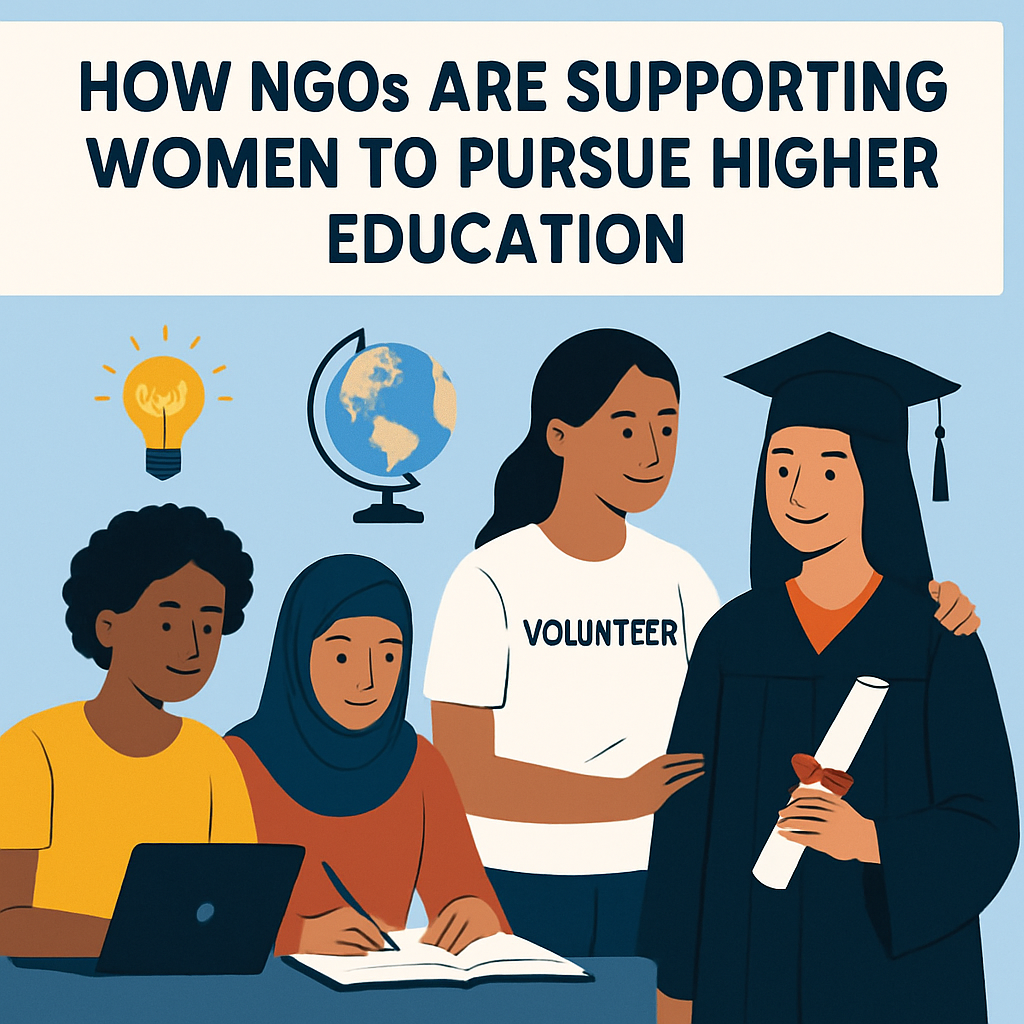
India has given the NGO sector in women’s employment training a vital place in the provision of training on women’s financial literacy. They help women cope, with more confidence, and apply skills that can help her in real life.
- A good NGO typically offers
- Basic and advanced financial literacy workshops
- Training on digital payments, UPI, online banking, and budgeting tools
- Guidance on savings groups, micro finance, and self-help groups
- Entrepreneurship development programs
- Job-oriented skill training paired with financial planning modules
As a result of the incorporation of financial literacy training, employment focused programs help ensure that women do not only obtain employment but also obtain a means through which they can secure their financial future.
Transformational Digital Financial Literacy
Digital banking, especially, gives a unique opportunity to women, including those in rural and semi-urban locations. Regrettably, many of these women tend to be digitally illiterate. Teaching these women how to use mobile wallets, QR payments, digital savings accounts, and other online financial services creates modern active participants in the economy. Such women become digitally confident and therefore, economically empowered and ready to conquer other spheres.
Conclusion
Women being economically free is a fundamental requirement of any equitable society. When women control their finances, they control their lives, and equally, they impact their families and surrounding communities. Financial education, in the broad interpretation, including training and skills development, program guidance from women employment NGOs, to financial active women, it creates a positive ripple.